
Why Your Construction Business Needs ISO 14001 Certification
ISO 14001 in Construction: Benefits, Implementation & Impact
Implementing an effective environmental management system (EMS) is no longer optional for modern construction firms. By pursuing ISO 14001 certification for the construction industry, companies can systematically reduce waste, cut regulatory risks, and enhance client trust. This article maps out what ISO 14001 entails, how it drives measurable environmental and business benefits, practical implementation steps, common adoption challenges, and the long-term strategies for maintaining compliance. Along the way, you’ll discover why integrating ISO 14001 alongside ISO 9001 quality standards strengthens your position with key clients and supports sustainable growth.
What Is ISO 14001 and Why Is It Important for Construction Companies?
ISO 14001 is an internationally recognized standard for environmental management systems that requires organizations to identify, control, and improve their environmental footprint. By embedding environmental policy into site operations, risk assessments, and resource planning, construction companies can enhance compliance and reduce pollution. This systematic approach not only drives cost-effective resource use but also positions firms as responsible partners in an industry facing strict regulations and growing sustainability demands.
The ISO 14000 family of standards provides a framework for environmental management systems, helping organizations to identify and control their environmental impacts and improve their environmental performance. This includes requirements for setting an environmental policy, identifying environmental aspects and impacts, and establishing objectives and targets for improvement.
International Organization for Standardization, ISO 14001:2015 Environmental management systems — Requirements with guidance for use (2015)
This citation provides a definition of ISO 14001 and its purpose, which is essential for understanding the article’s core topic.
What Does ISO 14001 Certification Mean for Construction Businesses?
Achieving ISO 14001 certification signifies that a construction business has an externally audited EMS aligned with international best practices. Certification demonstrates transparent environmental governance, ensures compliance with local and international regulations, and provides a framework for continuous improvement. As a result, certified firms often experience fewer delays due to environmental non-conformities and can bid more competitively on projects requiring stringent ecological standards.
How Does ISO 14001 Support Environmental Management in Construction?
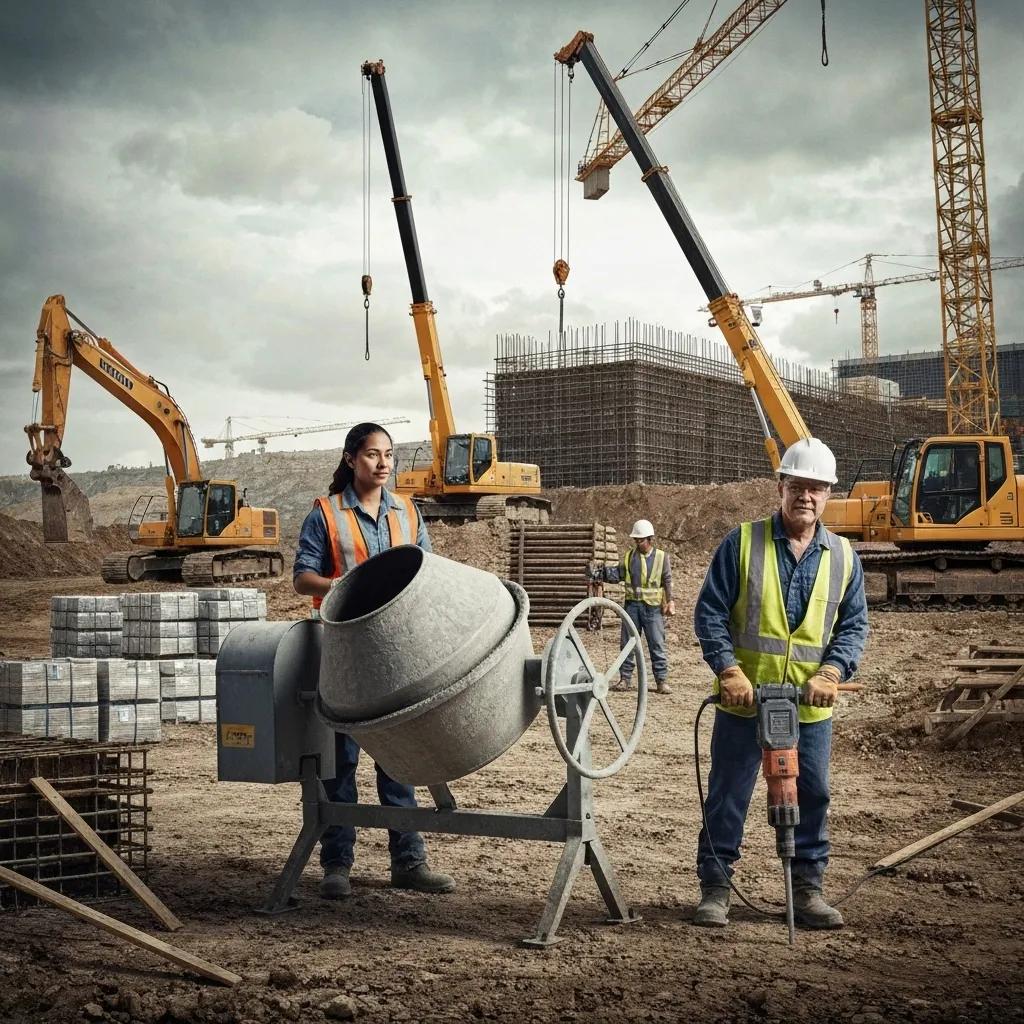
ISO 14001 supports environmental management by establishing a Plan–Do–Check–Act cycle tailored to construction activities. First, companies plan by mapping site-specific risks such as soil erosion and emissions. Then they implement controls—like sediment barriers or materials recycling—before monitoring performance through inspections and audits. Finally, management reviews findings to drive corrective actions. This closed-loop system ensures continuous enhancement of on-site practices and lays the groundwork for sustainable project delivery.
What Are the Key Requirements of ISO 14001 for Construction Firms?
The core requirements of ISO 14001 for construction firms include setting an environmental policy, conducting impact assessments, and establishing objectives with measurable targets. Firms must provide resources and training, implement operational controls, prepare for emergencies, and evaluate compliance through internal audits and management reviews.
Introductory review of key EMS requirements:
- Environmental Policy – A formal statement committing to pollution prevention and compliance.
- Aspect and Impact Assessment – Identifying site activities with significant environmental effects.
- Objectives and Targets – Measurable goals such as waste reduction percentages.
- Operational Controls – Procedures for handling materials, waste streams, and emissions.
- Monitoring and Measurement – Regular inspections, data collection, and performance analysis.
- Internal Audit – Scheduled reviews to verify system conformity.
- Management Review – Leadership evaluation of EMS effectiveness and setting improvement actions.
These requirements form an integrated structure that drives improved environmental performance while maintaining regulatory alignment.
How Can ISO 14001 Improve Environmental Performance in Construction Projects?
ISO 14001 improves environmental performance by embedding environmental criteria into every phase of a project, from design through handover. Through structured assessment of materials, waste streams, and resource consumption, the EMS enables construction firms to identify hotspots for emissions, reduce landfill usage, and conserve water. As a result, projects achieve measurable declines in environmental risks and boost community and client trust in sustainable delivery.
Implementing an Environmental Management System (EMS) in construction projects can lead to significant improvements in environmental performance, including waste reduction, energy efficiency, and reduced emissions. The study highlights the importance of integrating environmental considerations into all phases of a construction project, from design to demolition.
Marriott, A., Environmental Management Systems in Construction: A Review of Benefits and Challenges (2022)
What Environmental Risks Does ISO 14001 Help Construction Businesses Manage?
- Sediment runoff and soil erosion during excavation.
- Airborne dust and emissions from machinery.
- Excessive water consumption on site.
- Hazardous waste handling and disposal.
- Disturbance to local habitats and biodiversity.
By addressing each risk area, the EMS reduces potential fines, reputational harm, and project delays caused by environmental incidents.
How Does ISO 14001 Promote Sustainable Construction Practices?

ISO 14001 promotes sustainable construction through life-cycle thinking, which evaluates environmental impacts from material extraction to demolition. It encourages selection of low-impact materials, energy-efficient equipment, and waste-minimization techniques. Through supplier evaluation and eco-design workshops, certified firms increasingly adopt renewable energy, modular construction, and circular economy principles—fostering practices that go beyond compliance toward true sustainability leadership.
What Are the Measurable Environmental Benefits of ISO 14001 Certification?
| Metric | Improvement | Evidence |
|---|---|---|
| Waste diverted from landfill | Up to 40% | On-site recycling audits show significant diversion |
| Energy consumption | 15% lower usage | Meter readings confirm reduced fuel and electricity |
| Water usage | 20% conservation | Flow meter data indicates optimized water systems |
| Emissions (CO₂e) | 10% fewer tonnes | Transport and site machinery log reduced outputs |
What Are the Business Advantages of ISO 14001 for Construction Companies?
Adopting ISO 14001 delivers business advantages that extend beyond environmental stewardship. The standard enhances a firm’s regulatory compliance, reputation, and operational efficiency. Combined with ISO 9001 quality management, firms create an integrated management system that meets key client requirements and wins higher-value contracts.
How Does ISO 14001 Enhance Regulatory Compliance in Construction?
ISO 14001 enhances regulatory compliance by requiring organizations to track all relevant environmental legislation and set up procedures that ensure ongoing conformity. Regular audits and documented control measures reduce the risk of non-compliance fines and project stoppages. This proactive governance framework ensures that legal updates are assessed and implemented promptly, safeguarding project timelines and budgets.
Can ISO 14001 Certification Improve Construction Company Reputation?
ISO 14001 certification acts as a proof-point for environmental responsibility, enhancing market perception among clients, investors, and regulators. Firms that display the ISO 14001 logo on proposals and marketing materials cultivate trust and differentiate themselves from competitors. This visible commitment to sustainability often leads to stronger community relations and reinforces brand equity for future bids.
How Does ISO 14001 Support Cost Savings and Efficiency in Construction?
ISO 14001 supports cost savings by reducing resource consumption, minimizing waste disposal fees, and preventing environmental incidents that lead to delays. Standardized procedures streamline workflows, improve material handling, and optimize equipment use. Over time, these efficiencies contribute to healthier profit margins and bolster cash-flow stability.
How Do You Implement ISO 14001 in a Construction Business?
Implementing ISO 14001 involves a structured approach that aligns with organizational goals, engages stakeholders, and integrates with existing processes. Clear steps, defined roles, and system integration are essential for a smooth certification journey.
What Are the Steps to Achieve ISO 14001 Certification in Construction?
- Gap Analysis – Assess current practices against standard requirements.
- Planning – Develop an EMS project plan with objectives and resources.
- Training and Awareness – Educate staff on environmental policy and procedures.
- EMS Development – Document processes, controls, and roles in an EMS manual.
- Internal Audit – Verify system conformity and identify improvement areas.
- Management Review – Obtain leadership approval and drive corrective actions.
- Certification Audit – Engage an accredited body to conduct Stage 1 and Stage 2 audits.
This step-by-step process ensures rigorous preparation and leads to successful certification.
Which Construction Roles Are Involved in ISO 14001 Implementation?
- Top Management – Defines policy, provides resources, and commits to continuous improvement.
- Environmental Manager – Oversees EMS development, delivers training, and liaises with auditors.
- Project Managers – Integrate EMS requirements into project planning and execution.
- Site Supervisors – Enforce operational controls and report environmental performance.
- Workers and Contractors – Follow procedures for waste segregation, spill response, and resource use.
Engaging these roles builds ownership of environmental objectives across the organization.
How Can Construction Companies Integrate ISO 14001 with Existing Management Systems?
Construction firms often hold ISO 9001 quality certification as a key requirement for top clients. Integrating ISO 14001 and ISO 9001 uses aligned processes for document control, audit schedules, and management reviews. A unified management system reduces duplication, streamlines training, and amplifies the value of both standards in delivering quality and environmental performance.
What Challenges Might Construction Businesses Face When Adopting ISO 14001?
While ISO 14001 offers substantial benefits, firms may encounter obstacles related to culture, resources, and technical complexity. Identifying barriers early and applying targeted solutions ensures a smoother adoption curve.
What Are the Typical Barriers to ISO 14001 Certification in Construction?
- Limited in-house environmental expertise.
- Perceived high costs of system setup and audit fees.
- Resistance to change among staff and subcontractors.
- Complexity of documenting dynamic site activities.
- Integration challenges with existing processes.
How Can Construction Firms Overcome Implementation Challenges?
To overcome these challenges, firms should:
- Secure visible leadership commitment to EMS goals.
- Invest in targeted training and awareness campaigns.
- Engage experienced consultants to guide documentation.
- Use digital tools for real-time monitoring and record-keeping.
- Foster a culture of continuous improvement through rewards and feedback.
This combination of top-down support and practical tools builds momentum for EMS adoption.
What Resources and Support Are Available for ISO 14001 Adoption?
Construction businesses can access a range of resources, including accredited training providers, industry guidelines, and environmental management software. For tailored assistance, firms can explore comprehensive ISO 14001 certification services at ISO 14001 Certification – Stratlane.com, which supports gap analysis, system development, auditing, and ongoing improvement.
How Does ISO 14001 Certification Affect Construction Project Bidding and Client Relationships?
ISO 14001 certification strengthens a construction company’s position during tender processes and nurtures trust with clients who prioritize sustainable procurement. Certification communicates reliability and a commitment to environmental excellence, often translating into preferred-supplier status.
Can ISO 14001 Certification Increase Construction Contract Opportunities?
Yes, ISO 14001 certification can unlock new contract opportunities by fulfilling sustainability criteria in bid documents. Many public and private sector clients include environmental management clauses, and certified firms can respond confidently, demonstrating verifiable controls that address ecological risks.
How Do Clients Value ISO 14001 in Construction Partners?
Clients value ISO 14001 certification because it assures consistent management of environmental impacts, from waste handling to energy use. This transparent commitment helps clients achieve their own sustainability targets and reduces project-related reputational risks.
What Role Does ISO 14001 Play in Construction Supply Chain Management?
ISO 14001 extends environmental requirements to suppliers and subcontractors, ensuring consistent practices across the supply chain. Through supplier assessments and environmental clauses in purchase orders, firms drive green procurement and reinforce accountability among partners.
How Can Construction Businesses Maintain and Improve ISO 14001 Compliance Over Time?
Sustaining ISO 14001 requires ongoing monitoring, periodic audits, and a culture of continual improvement. By embedding EMS processes into daily routines, firms maintain compliance and drive incremental gains in performance.
What Are Best Practices for Continuous Environmental Improvement in Construction?
- Conducting regular environmental performance reviews.
- Setting new objectives based on audit findings and client feedback.
- Piloting innovative materials and techniques to reduce impacts.
- Sharing lessons learned across projects to standardize successes.
These practices reinforce momentum toward ever-higher sustainability benchmarks.
How Should Construction Companies Monitor and Report ISO 14001 Performance?
| Performance Metric | Monitoring Method | Reporting Frequency |
|---|---|---|
| Waste generation | Weighbridge records | Monthly |
| Energy consumption | Utility meter readings | Quarterly |
| Incident response time | Incident logs and corrective action forms | After each event |
| Compliance status | Internal audit reports | Annually |
What Are the Benefits of Regular ISO 14001 Audits for Construction Firms?
Regular audits deliver multiple benefits:
- Identification of system gaps before external assessments.
- Verification of compliance with evolving regulations.
- Opportunities to refine operational controls and targets.
- Reinforcement of a culture of environmental excellence.
Implementing ISO 14001 equips construction firms with a structured EMS that enhances environmental performance, drives cost savings, and strengthens market position. Through clear steps and ongoing monitoring, organizations can seamlessly integrate ISO 14001 with existing quality systems, fulfilling key client requirements such as ISO 9001 certification. Overcoming common barriers with leadership support, targeted resources, and continuous review ensures that environmental management becomes a source of competitive advantage and sustainable growth.