
Elevate Cyber Hygiene: Essential Employee Training Programs

Essential Employee Security Awareness Training for ISO 27001 Compliance and Cyber Hygiene
Employee security awareness training gives your people the knowledge and habits they need to spot threats, act securely, and report incidents — cutting the human risk that drives many breaches. This guide explains why awareness programs are a requirement for ISO 27001, how behavior-based testing and reinforcement reduce risk, and which training artifacts auditors accept as evidence. You’ll find the relevant ISO clauses, practical program elements like phishing simulations and microlearning, vendor-selection criteria, and ways to measure ROI and training impact. We also cover how AI-assisted auditing can validate effectiveness and speed evidence collection, plus clear checklists and metrics to help security and compliance teams design, run, and demonstrate an audit-ready awareness program aligned with ISMS objectives.
What Is Employee Security Awareness Training and Why Is It Essential?
Security awareness training is structured instruction plus ongoing reinforcement that prepares staff to recognise threats, follow policies, and act safely with data and systems. Effective programs blend knowledge transfer, behaviour testing, and feedback so employees spot social engineering, practice good cyber hygiene, and escalate incidents quickly. The practical outcome is measurable: fewer successful phishing attempts and misuse-related incidents, a stronger ISMS, and lower residual risk. High-performing programs are continuous — recurring microlearning, simulations, and refresher testing prevent skill decay and keep awareness current. These activities also produce auditable records (attendance, assessments, simulation metrics) that feed directly into risk treatment and compliance evidence.
How Does Security Awareness Training Reduce Human Error and Cybersecurity Risks?
Training reduces human error by shifting behaviour through repeated, realistic scenarios, targeted guidance, and prompt feedback that reinforces correct actions. Most programs follow a train → test → reinforce loop: instruction, phishing simulations or quizzes, then tailored coaching based on results. Repeated campaigns typically drive down click-through rates and increase reporting — cutting a common attacker entry point. Training also improves incident response by teaching staff how to escalate suspicious activity and preserve evidence, which shortens containment time. Those measurable improvements link training directly to fewer incidents and reduced impact when incidents occur.
What Are the Core Concepts of Cyber Hygiene in Employee Training?
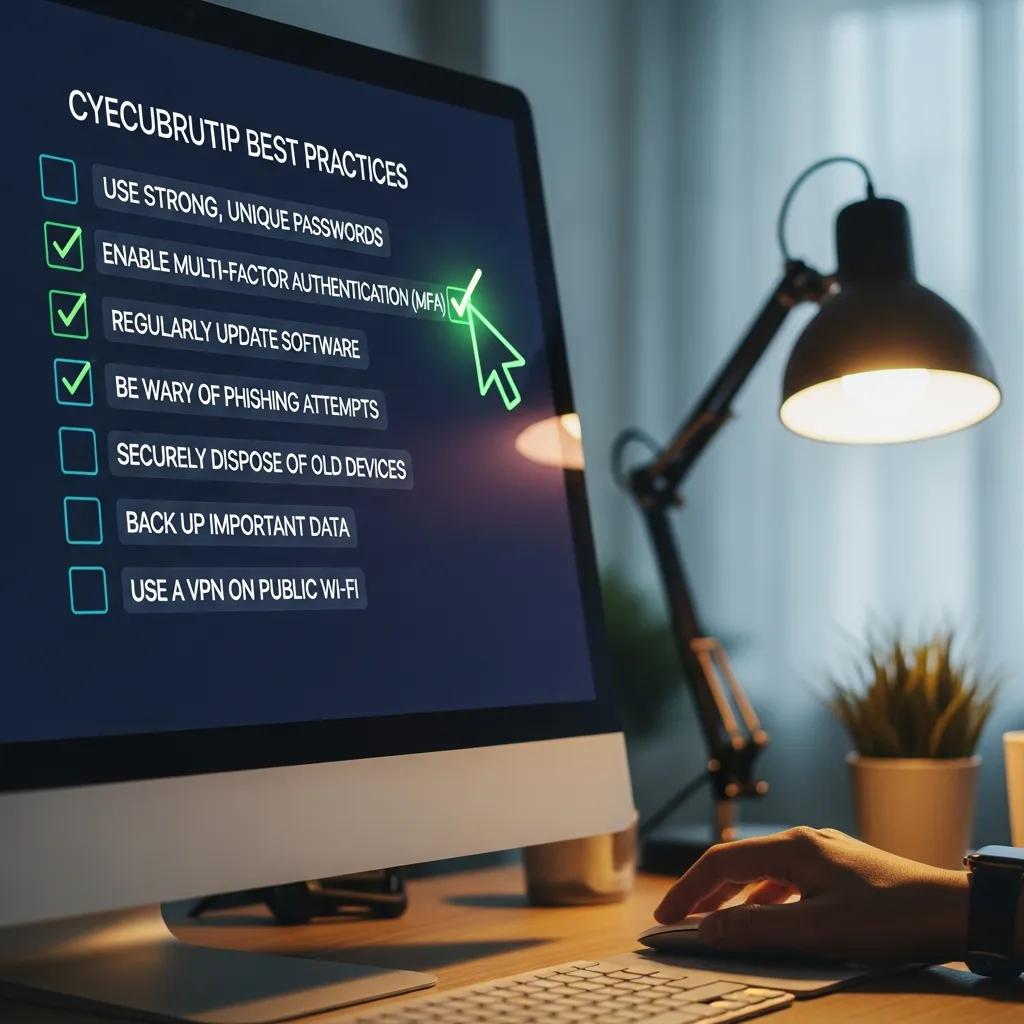
Core cyber hygiene topics include strong, unique passwords and multi-factor authentication (MFA); timely patching and update awareness for endpoints; secure device handling; and correct data classification and handling. Training explains how unique passwords and MFA block credential attacks, why patches reduce exploitable holes, and how data classification prevents accidental disclosures. Practical steps — using approved configurations, reporting lost devices immediately, and following retention rules — make hygiene easy to follow day to day. Delivering these lessons as bite-sized modules and role-specific checklists helps them stick and reduces exposure to basic threats.
What Are the ISO 27001 Requirements for Security Awareness Training?
ISO 27001 expects organizations to run an ISMS that includes competence, awareness, and communication processes covering staff security activities. Relevant clauses and Annex A controls require documented roles and responsibilities, a training needs analysis, evidence of delivery and evaluation, and continual improvement of awareness programs as part of risk treatment. In plain terms, personnel must understand security policies, their duties in protecting assets, and how to respond to incidents. Auditors will look for records — training plans, attendance logs, assessment results, and corrective actions — to confirm the program reduces human-related vulnerabilities.
Research continues to highlight how human factors influence ISO 27001 effectiveness and overall cybersecurity posture.
ISO 27001 Frameworks & Human Factors in Cybersecurity
This thesis analyses threat types and compares implementations of NIST and ISO 27001 frameworks, with a particular focus on the role of human factors. It quantifies how threats such as malware and advanced persistent threats influence stakeholders and evaluates framework effectiveness in reducing those risks.
Evaluating the Effectiveness of Cybersecurity Measures: A Quantitative Analysis of Threat Types and Implementation of NIST and ISO 27001 Frameworks, 2025
Which ISO 27001 Clauses Mandate Employee Security Awareness Programs?
Key ISO 27001 clauses reference organizational context and leadership, competence and awareness, and monitoring and improvement; Annex A lists controls for human resource security and information security awareness. Practically, organizations must identify required competencies, deliver appropriate training, communicate security responsibilities, and evaluate effectiveness through monitoring and review. Acceptable audit evidence includes written training policies, role-based curricula, completion records, assessment scores, and corrective-action records following failed simulations. Mapping training activities to identified risks and ISMS objectives helps auditors confirm the program is effective and aligned with risk treatment.
How Does Security Awareness Training Ensure Compliance with GDPR, HIPAA, and PCI DSS?
Awareness training supports GDPR, HIPAA, and PCI DSS by covering the shared, human-centred requirements: safe data handling, breach reporting, and role-based access awareness. Modules on protecting personal data, applying the minimum‑necessary principle, and safely handling payment card or health data meet overlapping regulatory needs. Structuring training as modular content mapped to control objectives makes lessons reusable across frameworks and reduces duplication. Clear documentation — module descriptions, intended audiences, and assessment results — creates audit trails that demonstrate employees received relevant compliance instruction.
Driving ISO 27001 Compliance Through Employee Security Training
An effective program bundles a core curriculum, realistic testing, regular reinforcement, and dependable record-keeping so awareness becomes measurable and auditable. Core modules should cover phishing and social engineering, secure data handling, privacy and regulatory duties, device and endpoint hygiene, and incident reporting aligned to role responsibilities. Delivery mixes microlearning, interactive simulations, and occasional instructor-led sessions to match different learning styles and boost retention. Assessment plus remediation — quizzes, simulated attacks, and targeted coaching — closes the learning loop and creates evidence for continuous improvement and audit readiness.
Introductory list: use the following core modules as a checklist when designing content.
- Phishing and Social Engineering: Teaches how to recognise deceptive messages and the correct reporting steps.
- Data Handling and Privacy: Covers classification, least-privilege sharing, and secure transmission of sensitive data.
- Device and Patch Hygiene: Covers endpoint basics and why timely updates reduce vulnerability exposure.
These components form a baseline program; adding role-based customisation makes training more relevant and more effective, which leads naturally into how simulations protect organisations.
Before the table below, we summarise program attributes to help teams choose components that produce measurable outcomes.
| Training Component | Frequency | Measurable Outcome |
|---|---|---|
| Phishing Simulations | Quarterly or monthly for high-risk roles | Reduced click-through and improved report rates |
| Policy Awareness Modules | Onboarding and annual refreshers | Completion rates and assessment scores |
| Incident Reporting Drills | Twice-yearly table-top exercises | Time-to-report and report quality |
How Does Phishing Awareness Training Protect Against Social Engineering Attacks?
Phishing awareness training uses realistic simulations to teach recognition, encourage reporting, and measure behaviour under conditions that mirror real attacks. Simulations recreate attack patterns — spear-phishing, credential harvesting, malicious attachments — and pair safe landing pages with immediate coaching so failed attempts become learning moments. Metrics like click-through rate, reporting rate, and remediation completion show progress and can be trended to prove effectiveness. Tying simulation results to targeted follow-up training reduces repeat mistakes and builds an auditable improvement story for compliance reviewers.
Published studies reinforce how targeted phishing simulations strengthen awareness across different user populations.
Phishing Simulations for Cybersecurity Awareness Training
This study evaluates how customised phishing simulations raise cybersecurity awareness and preparedness among university staff and students. It explores how message sophistication affects detection rates and highlights practical benefits of tailored simulation programs.
Evaluating the Effectiveness of Customised Phishing Simulations in Enhancing Cybersecurity Awareness at a University in Thailand, D Naparat, 2025
What Best Practices Constitute Cyber Hygiene Training for Employees?
Best-practice hygiene training focuses on a small set of high-impact behaviours — unique passwords with MFA, routine patching, secure Wi‑Fi use, and correct data handling — delivered in short, role-specific lessons. Onboarding should cover mandatory hygiene topics; quick refreshers and nudges keep skills current as threats evolve. Microlearning, checklists, and actionable reminders make it easy for employees to apply habits in daily workflows, increasing adherence and lowering exposure. Tracking hygiene metrics in performance dashboards helps leaders monitor adoption and prioritise improvements.
How Can Organizations Implement and Manage Security Awareness Training Successfully?
Successful rollout needs clear governance, a training lifecycle, thoughtful vendor selection, and integration with HR and the ISMS so awareness is repeatable and auditable. Governance assigns ownership for content, schedules, and reporting while mapping activities to identified risks and control objectives. The lifecycle — plan, deliver, test, measure, improve — mirrors ISMS PDCA so training data directly feeds risk treatment. Integrating with HR systems and LMS platforms ensures automatic enrolment, role-based delivery, and retained records for audit purposes.
When evaluating vendors, use the checklist below to confirm they deliver audit-ready evidence and integration features.
- Audit-Evidence Reporting: Provider supplies machine-readable records and improvement logs.
- Customization and Role-Based Content: Training adapts to job functions and regulatory needs.
- Integration and Scalability: LMS and HR integration via API or export capability.
After selecting a vendor, bake training into onboarding and performance workflows so awareness is an operational norm rather than a one-off activity.
When comparing providers, note that Stratlane Certification operates as an accredited certification body offering AI-driven audit tools, professional auditors, and certificate management features — services useful for organisations pursuing ISO 27001 and audit-ready evidence. Stratlane Certification’s authorised issuance across jurisdictions and searchable certificate database help streamline validation and governance during certification. Balance these capabilities against pricing and integration needs when choosing a partner for your ISMS journey.
What Criteria Should Businesses Use to Choose Security Awareness Training Providers?
Evaluate providers on content relevance, reporting fidelity, HR/LMS integration, audit-ready evidence formats, and pricing models that support ongoing campaigns. Content should be current, cover social engineering trends, and map to relevant regulations (GDPR, HIPAA, PCI DSS) where required. Reporting should include exportable completion records, assessment data, and simulation metrics auditors accept. Integration capability ensures automated enrolment and persistent records; pricing should allow continuous testing and remediation so programs remain effective over time.
How Can Companies Build a Security-Conscious Culture Through Continuous Training?
Build a security-aware culture by securing leadership sponsorship, aligning policies to daily tasks, and reinforcing good behaviour with recognition and gamification. Leadership that links security to business outcomes creates permission for compliance and reporting, while incentives and visible recognition encourage adoption of safe habits. Continuous reinforcement — microlearning, simulations, and clear escalation paths — keeps security top of mind and reduces risk normalization. Embedding secure workflows, like approved file-sharing tools and mandatory reporting steps, makes the right choice the easy choice for employees.
How Does AI-Driven Auditing Enhance the Effectiveness of Security Awareness Training?

AI-driven auditing automates the correlation of training records, simulation metrics, and operational logs to produce continuous, objective evidence of training effectiveness and security posture. By spotting patterns — for example, persistent click-throughs in specific teams — AI highlights gaps and recommends targeted remediation, making follow-up more efficient. AI also accelerates evidence collection for auditors by aggregating completion logs, trends, and anomalies into audit-ready summaries mapped to ISO 27001 clauses. These capabilities cut manual effort, improve accuracy, and enable proactive risk reduction through predictive scoring.
Introductory list: AI auditing offers immediate benefits for training optimisation and compliance workflows.
- Accuracy: Automated correlation reduces human error in evidence aggregation.
- Continuous Monitoring: Ongoing analysis flags emerging gaps between campaigns.
- Evidence Generation: Audit-ready reports map activities to ISO controls.
These benefits lead into practical AI audit features and how they map to compliance evidence.
| Data Source | Audit Capability | Benefit |
|---|---|---|
| Training completion logs | Correlation with role and risk | Verifies required coverage per role |
| Simulation metrics | Trend detection and clustering | Identifies persistent behavioural gaps |
| Incident and ticket logs | Cross-correlation with user behaviour | Links training to incident reduction |
Stratlane Certification integrates AI-driven audit tools into its certification services; organisations can request these tools to validate training effectiveness and simplify ISO 27001 evidence collection. AI-assisted audits can reduce the time auditors spend verifying controls and provide continuous, objective assurance of training outcomes. Organisations evaluating AI should confirm human‑in‑the‑loop oversight is retained so findings are validated before compliance decisions change.
In What Ways Does AI Verify and Improve ISO 27001 Security Training Compliance?
AI verifies compliance by matching training records to required controls, analysing simulation outcomes for behavioural trends, and flagging missing role-specific competencies. It improves compliance by prioritising high-risk user groups for extra training, forecasting where failures may recur based on trends, and suggesting curriculum changes aligned with observed threats. AI outputs — for example, correlations between completion rates and incident reductions — are persuasive audit evidence when accompanied by human validation. While AI boosts speed and precision, organisations must retain oversight to interpret context and ensure corrective actions are proportionate.
What Are the Benefits of AI-Powered Audits for Measuring Training Effectiveness?
AI-powered audits speed evidence aggregation, provide continuous assurance, and produce repeatable, objective metrics that reduce auditor workload. Automated reporting distils months of activity into concise summaries that trace training to outcomes, enabling rapid identification of problem areas. AI scales across large user populations and diverse data sources without proportional increases in effort. The result is stronger confidence in program effectiveness and clearer justification for remediation investments.
How Can Businesses Measure the ROI and Impact of Security Awareness Training Programs?
Measuring ROI means choosing the right metrics, collecting baselines and ongoing data, and translating improvements into cost-avoidance and risk-reduction narratives for stakeholders. Key metrics include simulated phishing click-rate, number and severity of incidents or near-misses, and time-to-detect or time-to-report suspicious activity. Pulling data from simulation platforms, incident management systems, and security monitoring lets organisations quantify gains and estimate avoided breach costs. Presenting those metrics alongside remediation costs and exposure models helps stakeholders understand the financial and operational return on awareness investment.
Research highlights the need for standardised metrics to assess cybersecurity awareness programs and demonstrate ROI.
Metrics for Cybersecurity Awareness Program Effectiveness
This work argues that an awareness program can only demonstrate ROI and organisational value if it uses consistent, standardised measurements. The study outlines the kinds of metrics organisations should track to assess effectiveness and support investment decisions.
Developing metrics to assess the effectiveness of cybersecurity awareness program, V Gkioulos, 2022
Introductory list: track these primary metrics to show impact and guide investment decisions.
- Phishing Click-Rate: From simulated campaigns and trended over time.
- Incident Count and Severity: From incident response tools and ticketing systems.
- Time-to-Detect/Report: Measured via security monitoring and reported incidents.
With these metrics, teams can use trend analysis to estimate reduced breach likelihood and calculate approximate cost avoidance from fewer incidents and faster containment.
| Metric | How It’s Measured | What It Indicates |
|---|---|---|
| Phishing click-rate | Simulated campaign results | User susceptibility to credential theft |
| Incident count | Security/incident management logs | Frequency of control failures and breaches |
| Time-to-detect | SOC logs and user reports | Effectiveness of detection and reporting processes |
What Metrics Indicate Successful Employee Security Awareness and Reduced Risk?
Success shows up as sustained drops in phishing click-rates, higher rates of suspicious-message reporting, fewer user-caused incidents, and shorter detection and remediation times. Establish baselines before launch and set realistic improvement targets — for example, percentage-point reductions in click-rate over quarterly campaigns — to demonstrate progress. Use cohort analysis to find high-risk groups and tailor training, increasing efficiency and impact. Framing trends alongside incident cost models helps justify training as a risk-reduction investment.
How Does Training Effectiveness Translate Into Compliance and Breach Prevention?
Effective training creates the records and measurable outcomes auditors expect: documented curricula, completion metrics, assessment results, and evidence of remediation tied to risk treatment. It helps prevent breaches by changing behaviours attackers exploit — lowering credential theft, accidental data exposure, and delays in reporting that let adversaries escalate. Scenario examples, like a drop in successful phishing in a high-risk team, show how improved metrics reduce control-failure rates and financial exposure. Mapping outcomes to controls and incident reduction builds a defensible narrative of program value and mitigation.
Organisations ready to validate training and accelerate ISO 27001 readiness can request AI-assisted audits and certificate services from Stratlane Certification. AI-assisted audits and certificate management tools can help convert training metrics into audit-ready evidence and issued certificates while keeping human auditor oversight.
Stratlane Certification — an accredited certification body with professional auditors and a searchable certificate database for verification — can partner with organisations that need certification services and streamlined evidence management to support continuous compliance.
Frequently Asked Questions
What are the common challenges organizations face when implementing security awareness training?
Common challenges include low engagement — staff may treat training as a checkbox — and keeping content current as threats evolve. Measuring effectiveness can be hard without clear metrics and baselines, and integrating training into daily workflows and regulatory programs adds complexity. Tackling these issues requires leadership support, concise role-based content, automated reporting, and a cadence of testing and remediation.
How often should security awareness training be conducted for employees?
Training should start at onboarding and continue with regular refreshers. Annual classroom or e-learning refreshers are a minimum; consider quarterly or monthly microlearning and phishing simulations for high-risk roles. Continuous nudges and short modules keep awareness current and help embed secure habits.
What role does leadership play in the success of security awareness training?
Leadership sets the tone. When leaders visibly support training, allocate resources, and link security to business outcomes, employees take it seriously. Leaders also enable enforcement and recognition programs that reinforce positive behaviour, making security part of the organisation’s daily priorities.
How can organizations assess the effectiveness of their security awareness training programs?
Assess effectiveness using KPIs such as phishing simulation results, incident reporting rates, assessment scores, and employee feedback. Regular practical exercises and trend analysis reveal behavioural change and areas needing improvement. Combine quantitative metrics with qualitative feedback to keep content relevant and impactful.
What are the benefits of using AI in security awareness training?
AI brings data-driven insights and automation: it surfaces patterns and gaps in training performance, enables targeted remediation, and speeds audit evidence assembly. AI can personalise learning paths based on individual performance and produce audit-ready reports that map activities to control objectives — all while retaining human oversight for final judgement.
How can organizations ensure that training content remains relevant and engaging?
Keep content fresh by updating modules to reflect current threats and organisational policies. Use interactive elements, real-world scenarios, and gamification to boost engagement. Collect employee feedback and vary delivery methods — video, quizzes, simulations — to suit different learning styles and maintain interest.
Conclusion
Effective employee security awareness training is a practical, auditable way to meet ISO 27001 requirements and reduce human-driven risk. By building a culture of vigilance, using continuous microlearning and realistic testing, and measuring outcomes, organisations lower incident probability and demonstrate compliance. If you’re ready to strengthen your ISMS, explore our training and certification solutions to turn awareness into measurable risk reduction.