
Mitigating Risks in Supply Chain Security with ISO 28000

ISO 28000 Certification: Strengthening Supply Chain Security with AI-Enhanced Management
Global supply chains are more connected — and more exposed — than ever. ISO 28000 gives organizations a practical, auditable framework to reduce those exposures and protect operations. This article walks through what ISO 28000 requires, the real benefits companies see, and how to embed it into everyday processes. You’ll also get concise guidance on AI-driven auditing and how ISO 28000 compares with related standards so your team can make informed security and compliance decisions.
What is ISO 28000 Certification and How Does It Enhance Supply Chain Security?
ISO 28000 defines requirements for a supply chain security management system: how to establish it, operate it, maintain it, and improve it. The standard brings structure to identifying threats across logistics and supply operations, so organizations can prioritize controls, reduce vulnerabilities, and safeguard people, assets, and shipments.
Understanding the ISO 28000 Standard and Its Scope
ISO 28000 covers risk assessment, security management system design, and continual improvement. It’s intentionally adaptable — useful for companies of any size or industry that move goods or manage logistics. The latest revision, ISO 28000:2022, emphasizes embedding risk management into routine processes so teams stay resilient as threats evolve.
Key Principles of Supply Chain Security Management in ISO 28000
At its core, ISO 28000 promotes systematic risk management, legal and regulatory compliance, and a security-aware culture. Those pillars guide organizations to build layered security plans that reduce incidents and increase stakeholder confidence — outcomes documented in multiple implementation case studies.
What Are the Benefits of ISO 28000 for Supply Chain Risk Mitigation?
Adopting ISO 28000 delivers practical benefits: stronger protection against disruptions, clearer compliance posture, and a market signal that your operations are secure. Together these outcomes reduce operational risk and can improve business continuity and partner trust.
Improving Supply Chain Resilience and Regulatory Compliance
ISO 28000 helps organizations withstand a range of disruptions — from natural disasters to cyber incidents — by formalizing preventive and responsive controls. It also aligns processes with regulatory expectations, lowering the chance of penalties and supporting a reputation for reliability. Evidence shows companies with structured security systems recover faster during crises.
Gaining Competitive Advantage and Stakeholder Confidence
Certification demonstrates commitment to risk management and gives partners and customers a measurable reason to trust your operation. That credibility often translates into stronger commercial relationships and a competitive edge in procurement and contracting.
How to Implement ISO 28000: Step-by-Step Guide to Effective Supply Chain Risk Management
Implementing ISO 28000 follows a logical sequence: assess current gaps, design and deploy a security management system, and continuously review performance. This section outlines the phases most organizations follow to move from assessment to certification.
Conducting Gap Analysis and Developing a Security Management System
Start with a gap analysis to map where current practices fall short of ISO 28000 requirements. Use the findings to build a tailored security management system that targets those vulnerabilities. Practical tools — risk registers, supplier questionnaires, and control libraries — speed this work and ensure you cover likely failure points.
Continuous Improvement and the PDCA Cycle in ISO 28000 Implementation
The Plan–Do–Check–Act cycle underpins ISO 28000. Regular reviews and updates keep controls aligned with changing risks and operational realities. Organizations that embed PDCA report measurable improvement in security performance over time.
How Does AI-Driven Auditing Enhance ISO 28000 Certification and Supply Chain Security?
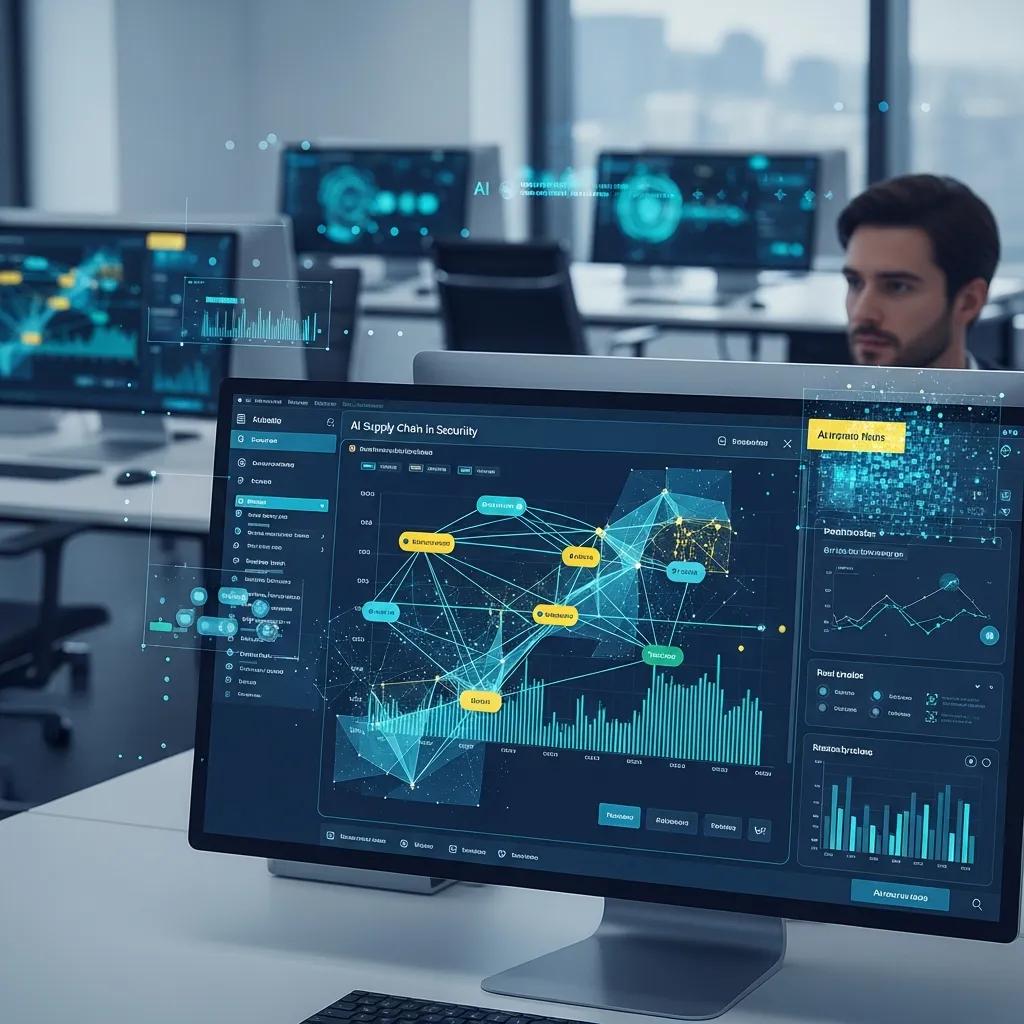
AI-driven auditing accelerates compliance and gives richer insights into supply chain behavior. Machine learning and analytics reduce manual work, highlight anomalous patterns, and surface risks that traditional audits might miss — helping teams act earlier and with more confidence.
Real-Time Monitoring and Predictive Analytics for Risk Assessment
AI tools enable near real-time monitoring of shipments, facilities, and supplier performance. Predictive models use historical and live data to forecast potential disruptions, so teams can intervene before a small issue turns into a major incident.
Automation of Compliance and Efficiency Gains with AI Tools
Automating routine checks and evidence collection trims audit time and frees security teams to focus on strategy. That efficiency both lowers cost and improves the consistency of compliance with ISO 28000 requirements.
What Are the Differences Between ISO 28000 and Related Standards Like ISO 27001?
ISO 28000 and ISO 27001 share a risk-management mindset, but they target different domains. Choosing one or both depends on the risks you need to manage and the assets you must protect.
Comparing Supply Chain Security and Information Security Management
ISO 28000 targets physical and logistical risks across procurement, transportation, and storage. ISO 27001 focuses on information security — protecting data, systems, and intellectual property. Many organizations implement both to cover operational and digital risk surfaces.
Integrating ISO 28000 with Other Management System Standards
ISO 28000 integrates well with standards like ISO 9001 (quality) and ISO 14001 (environmental). A coordinated management system reduces duplication, aligns objectives, and makes it easier to scale governance across the business.
How Can Businesses Manage Third-Party Risks Using ISO 28000 Certification?
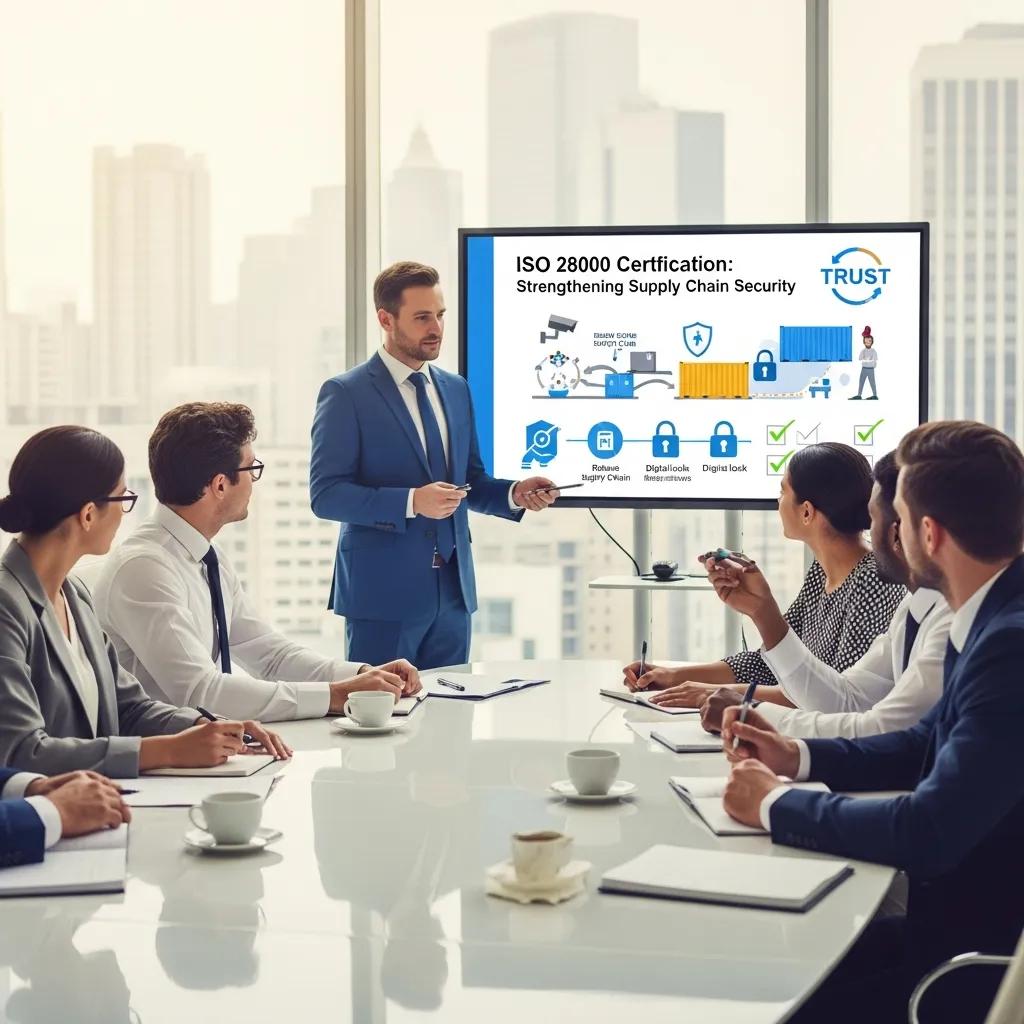
Third-party failures are a leading source of supply chain disruption. ISO 28000 gives firms a repeatable approach to assess, onboard, and monitor suppliers so third-party risk is visible and managed.
Identifying and Assessing Vendor Risks in the Supply Chain
Use ISO 28000 to set criteria for supplier selection, run security assessments, and track remediation. Standardized vendor evaluations reduce surprise exposures and make it easier to escalate or replace high-risk partners.
Implementing Incident Response and Continuous Risk Monitoring
ISO 28000 requires incident response planning and ongoing monitoring. Combined with AI-driven alerts, these practices speed detection and containment, helping teams recover faster from breaches or service interruptions.
Different benefits of ISO 28000 certification can be summarized as follows:
| Benefit | Description | Impact Level |
|---|---|---|
| Enhanced Security | Stronger risk controls and reduced operational exposure | High |
| Regulatory Compliance | Aligned processes that meet legal and industry requirements | High |
| Competitive Advantage | Improved trust with customers and partners; better market positioning | Medium |
The table highlights how ISO 28000 improves security posture, compliance, and commercial credibility across the supply chain.
ISO 28000 is a practical standard for organizations that want to reduce supply chain risk and build resilient operations. When paired with AI-enabled auditing, it delivers faster detection, clearer evidence for audits, and more efficient compliance — all of which support sustained business continuity.
Frequently Asked Questions
1. How does ISO 28000 certification support international trade?
ISO 28000 provides a globally recognized security framework that reassures international partners and regulators. Certification signals consistent security practices, which can smooth cross-border operations and strengthen partner confidence during trade negotiations.
2. What are the key challenges in implementing ISO 28000?
Common challenges include organizational resistance to change, the need for staff training, and aligning existing processes with the standard. Successful implementations secure leadership buy-in, invest in capability building, and bring in subject-matter expertise where needed.
3. How can organizations measure the effectiveness of their ISO 28000 implementation?
Measure effectiveness with metrics such as incident frequency, audit results, supplier performance, and stakeholder feedback. Regular internal audits and KPIs tied to risk and resilience give a clear view of where the system is working and where to improve.
4. What role does technology play in maintaining ISO 28000 compliance?
Technology automates monitoring, evidence collection, and analytics — making compliance more reliable and faster. Tools like AI analytics and risk platforms enhance situational awareness and support timely, data-driven decisions.
5. Can small businesses benefit from ISO 28000 certification?
Yes. ISO 28000 scales to smaller organizations and helps them formalize security practices, reduce supplier risk, and demonstrate credibility to customers and partners. A tailored approach keeps the standard practical and cost-effective for smaller operations.
6. How does ISO 28000 certification relate to sustainability in supply chains?
ISO 28000 supports sustainable supply chains by encouraging risk-aware practices that can reduce waste and improve resource resilience. When aligned with environmental and social objectives, security measures contribute to longer-term operational and reputational sustainability.
7. What is the significance of continuous improvement in ISO 28000 compliance?
Continuous improvement ensures your security management system adapts to new threats and business changes. Using PDCA cycles and regular reviews keeps controls current, maintains compliance, and builds a security-aware culture across the organization.
Conclusion
ISO 28000 is a strategic asset for organizations that move goods or manage complex supply chains. It strengthens resilience, clarifies compliance, and enhances stakeholder trust. Coupled with AI-driven auditing, the standard helps teams detect issues earlier, run audits more efficiently, and focus on long-term security improvements. Explore our resources to start aligning your supply chain with best-practice security and risk management.