Understanding REACH Compliance for EU Chemicals
Navigating the complexities of the EU's REACH (Registration, Evaluation, Authorisation and Restriction of Chemicals) regulation is crucial for any business dealing with chemical substances within the European market. REACH aims to improve the protection of human health and the environment through the better and earlier identification of the intrinsic properties of chemical substances.
Compliance involves registering substances with the European Chemicals Agency (ECHA), evaluating their risks, and managing any potential authorisations or restrictions. This process ensures that companies understand the potential hazards of the chemicals they use and can implement appropriate risk management measures to safeguard consumers and the environment.
Key Differences Between ISO and National Standards
While international standards like ISO provide a globally recognized framework for quality, safety, and environmental management, national standards often address specific regulatory requirements or industry practices within a particular country. Understanding these distinctions is vital for businesses operating across different jurisdictions.
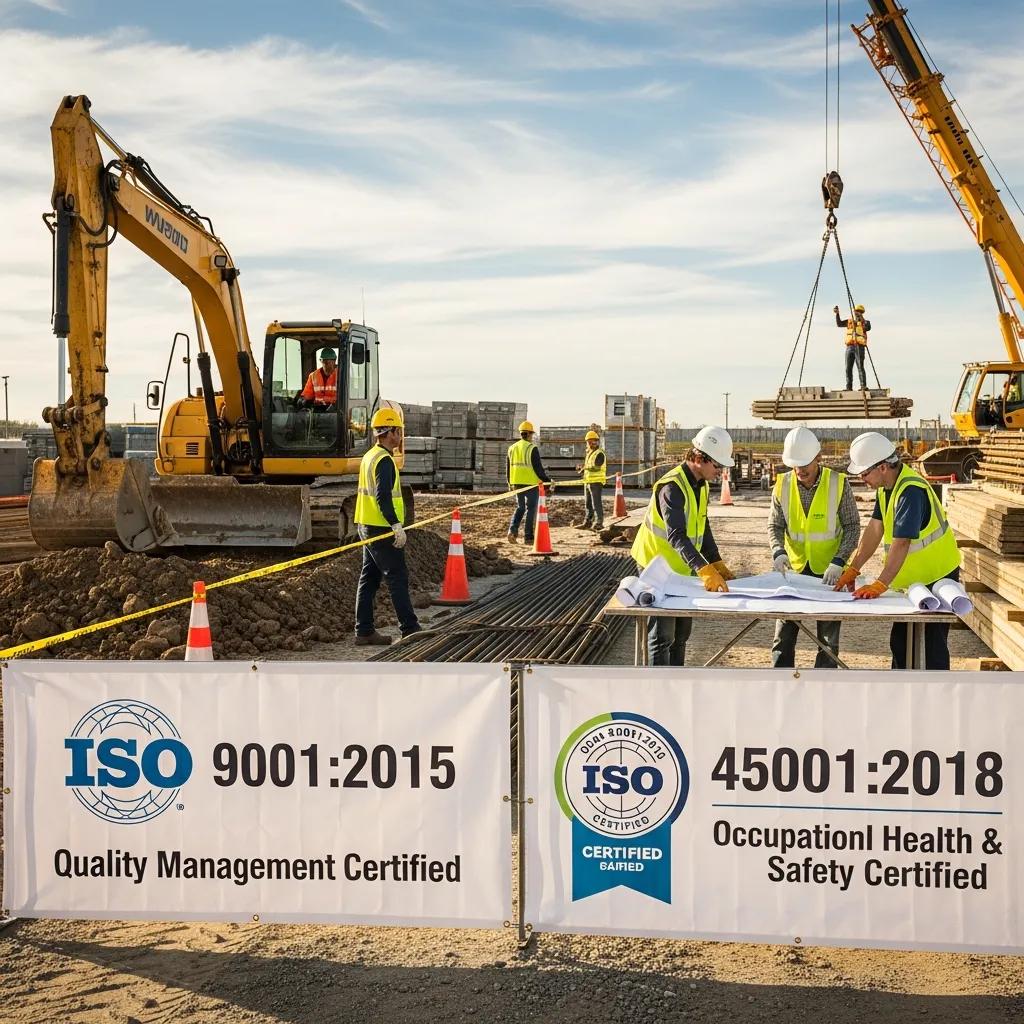
ISO standards, such as ISO 9001 for quality management or ISO 14001 for environmental management, offer a universal benchmark that can be adopted by any organization. In contrast, national standards might be more prescriptive, detailing specific technical requirements or compliance obligations mandated by a country's legal framework, ensuring alignment with local regulations and consumer protection laws.